
Chair Lift Systems: How to Choose the Right Stair Lift for Your Home
Choosing the right stair lift starts with understanding your staircase, your mobility needs, and how you plan to use the system every day. The right solution should make moving through the home safer, easier, and more comfortable without creating new obstacles.
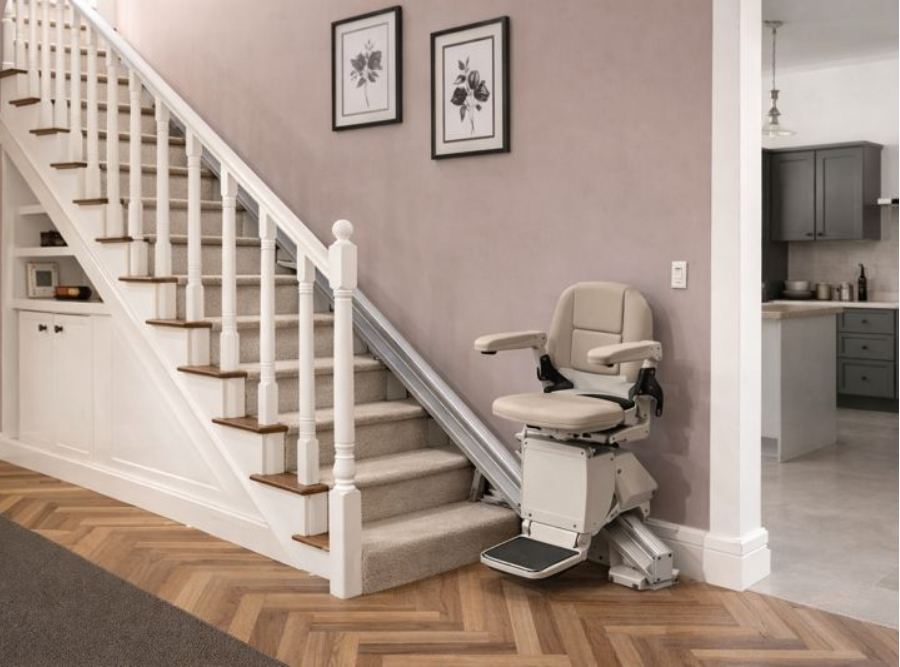
Many homeowners use the term chair lift system when talking about a stair lift. In home accessibility, a stair lift is a motorized chair that travels along a rail mounted to the staircase. This guide explains how chair lift systems work, what types are available, and how to choose the right stair lift for your home based on your space, safety needs, and daily routine.
What Is a Stair Lift and Who Is It Best For?
A stair lift is a motorized seat that moves along a rail attached to the staircase. It allows a user to travel between floors while seated, which helps reduce the strain, instability, and fall risk that often comes with using stairs.
Chair lift systems are often a practical option for older adults aging in place, people recovering from surgery, individuals with arthritis or balance concerns, and families trying to make a multi level home more accessible. Instead of avoiding part of the home or considering a move, many homeowners use a stair lift to make everyday living safer and more manageable.
How Chair Lift Systems Help at Home
For many families, the biggest benefit of a stair lift is safer day to day access to the entire home. Stairs can become stressful long before they become impossible, and that change can affect confidence, independence, and routine.
A properly selected stair lift can make it easier to move between floors without relying on assistance each time. It can also help homeowners stay in the home they know, rather than limiting themselves to one level or making a major housing change before it is truly necessary.
Types of Chair Lift Systems
Not every stair lift fits every staircase. The best system depends on the layout of the stairs, whether the lift will be installed indoors or outdoors, and how much customization is needed for safe daily use.
Straight Stair Lifts
Straight stair lifts are designed for staircases that run in one continuous line without turns or intermediate landings. These are often the simplest systems to plan and install, and they are a common choice for homeowners with a standard staircase layout.
For many homes, a straight stair lift offers a practical balance of safety, comfort, and efficiency. If the staircase does not curve or break at a landing, this type of system is often the first option to consider.
Curved Stair Lifts
Curved stair lifts are built for staircases with bends, corners, or landings. Because the rail must match the exact shape of the staircase, these systems are custom designed to fit the home properly.
A curved stair lift is usually the right option when a straight system will not safely or fully serve the staircase. The planning process is more detailed, but it allows homeowners with more complex stair layouts to get a system that fits correctly and operates smoothly.
Indoor Stair Lifts
Indoor stair lifts are designed for use inside the home and are commonly installed on main staircases where daily access between floors matters most. These systems can be selected based on space, comfort, ease of use, and how well they fit the user’s routine.
For homeowners thinking about long term accessibility, an indoor chair lift system can be one of the most practical upgrades available.
Outdoor Stair Lifts
Outdoor stair lifts are made for exterior steps such as porch entries, garage access points, and other outdoor stairways. These systems are built with features that help them perform in changing weather conditions while still providing safe access.
For some homes, outdoor mobility is just as important as indoor movement. An exterior chair lift system can make entry and exit much safer for someone who struggles with outdoor stairs.
How to Choose the Right Stair Lift for Your Home
Choosing the right stair lift is not just about picking a product category. The best system should match the staircase, the user, and the features that will make everyday use safer and easier over time.
Your Staircase Layout
The staircase itself is one of the first things that needs to be evaluated. A straight staircase may allow for a simpler solution, while turns, landings, narrow dimensions, or tighter access points may require a curved rail and a more customized plan.
The available space at the top and bottom of the stairs also matters. A good recommendation should consider not only how the lift travels, but also how safely and comfortably the user can get on and off the seat.
Your Mobility Needs
Different users need different levels of support. Some homeowners need a safe seated option for daily use, while others may need features that make boarding, riding, and exiting the lift easier and more stable.
The right chair lift system should fit the person using it, not just the staircase. Ease of use, comfort, and confidence all play a role in choosing the right stair lift for the home.
Safety Features to Look For
Safety should be part of the buying decision from the start. Features such as seat belts, obstruction sensors, swivel seating, stable arm support, and smooth starts and stops can all improve the everyday experience.
A stair lift should do more than move up and down the stairs. It should help the user feel secure each time it is used.
Seat Size and Everyday Comfort
Comfort matters more than many homeowners expect, especially when the stair lift will be used every day. Seat width, cushioning, arm placement, and ease of sitting down and standing up all affect how well the system works in real life.
A stair lift that fits comfortably is more likely to be used consistently and with confidence over the long term.
Power and Battery Backup
Many modern stair lift systems use rechargeable batteries so the lift can continue operating during a power outage. This is an important safety feature and one that should be discussed during the evaluation process.
Reliable battery backup helps ensure the system is available when it is needed most.
Straight vs Curved Stair Lifts
One of the most common questions homeowners have is whether they need a straight or curved stair lift. In most cases, the answer comes down to the shape of the staircase. If the stairs run in one uninterrupted line, a straight stair lift is often the most efficient option.
If the staircase includes turns, corners, or landings, a curved stair lift is usually required. This is one of the most important parts of the buying process because it affects fit, customization, installation planning, and long term performance.
What to Expect During Stair Lift Installation
Professional stair lift installation is often simpler than homeowners expect. The process usually starts with an in home evaluation to review the staircase, understand the user’s needs, and recommend the best chair lift system for the space.
Once measurements are confirmed, the appropriate rail and lift components are prepared for installation. Straight stair lifts are often quicker to install, while curved systems usually require more planning because the rail is custom built. After installation, the system should be tested carefully and the homeowner should be shown how to use it safely and comfortably.
Why Professional Installation Matters
A stair lift needs to be measured correctly, mounted securely, and adjusted for smooth operation. The quality of the installation affects safety, comfort, performance, and long term reliability.
Working with experienced professionals helps reduce the risk of poor fit, operating issues, and avoidable safety concerns. It also gives homeowners a clearer understanding of which system makes the most sense for their staircase and how it should be used day to day.
Why Home Mobility Solutions
Choosing a chair lift system is not just about selecting equipment. It is about finding a solution that fits the home, the staircase, and the person who will use it every day. A proper recommendation should be based on layout, mobility needs, safety priorities, and ease of use.
Home Mobility Solutions works with homeowners who want a safer and more accessible way to move through the home. A professional evaluation helps narrow down the right stair lift system, identify fit issues early, and create a more confident path forward.
Maintenance and Long Term Reliability
A stair lift is built for regular use, but routine maintenance still matters. Keeping the rail clean, paying attention to unusual performance changes, and scheduling service when needed can help protect long term reliability.
A well maintained chair lift system can continue providing safe and dependable access for years. Ongoing care also helps the system remain smooth, comfortable, and consistent in everyday use.
Is a Chair Lift the Same as a Stair Lift?
Many homeowners use the terms chair lift and stair lift interchangeably. In the context of home accessibility, they usually mean the same type of product, which is a motorized chair that travels along a rail mounted to a staircase.
That said, stair lift is often the more precise term. Using both terms on this page helps homeowners find the information they need while keeping the service language consistent with Chair Lift Systems.
Frequently Asked Questions About Chair Lift Systems
Schedule a Chair Lift System Evaluation
Choosing the right stair lift starts with understanding your staircase, your daily routine, and the features that will make movement through the home easier and safer. A professional evaluation helps identify the best fit and removes much of the guesswork from the process.
Home Mobility Solutions helps homeowners compare chair lift systems, evaluate staircase fit, and move forward with practical accessibility solutions for the home. If you are considering a stair lift, the next step is to schedule an evaluation and get a recommendation based on your space, needs, and goals.
Jason James is Co-Founder and Director of Sales at Home Mobility Solutions, serving homeowners across the Hilton Head Island–Bluffton–Port Royal, SC Metro Area with walk-in tubs, stair lifts, home elevators, and other accessibility upgrades. He moved to the Lowcountry in 1993 and built a career in residential and commercial construction before founding Lowcountry Walk-In Tubs in 2009 to help seniors and people with disabilities bathe safely at home. That company grew into Home Mobility Solutions, where Jason now leads sales and client relationships across Bluffton, Hilton Head Island, Beaufort, Ridgeland, and Hardeeville.