
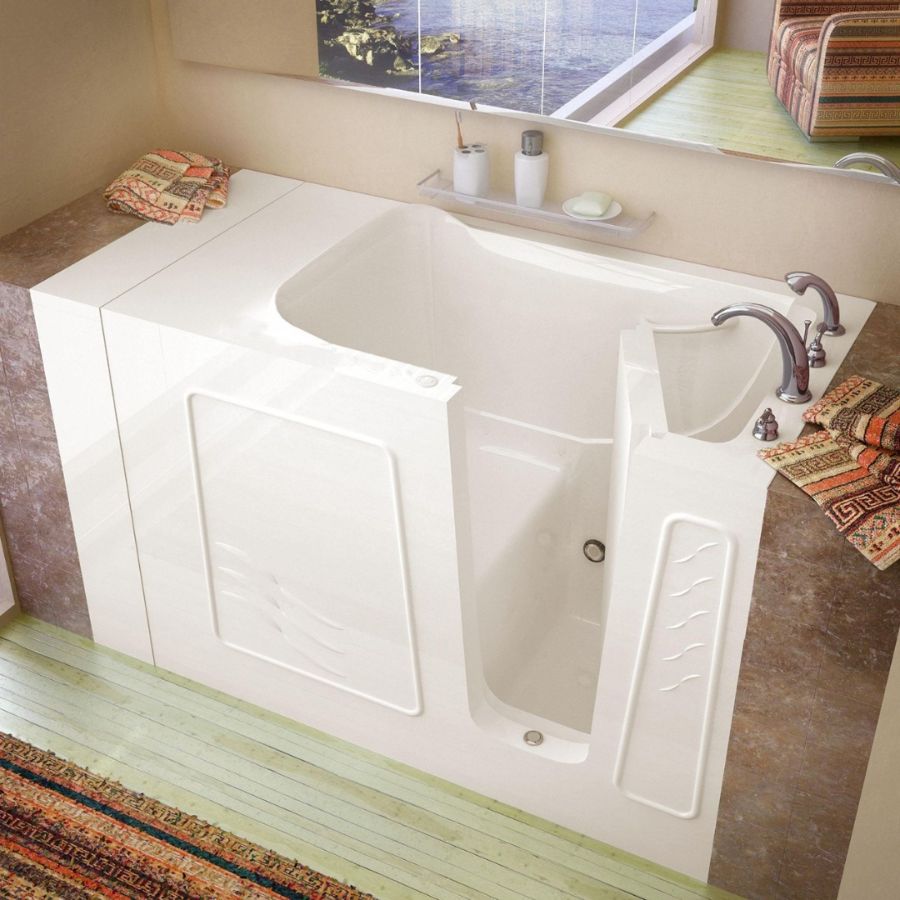
Walk-In Tub Installation: What to Expect
What Does Walk In Tub Installation Involve?
Walk in tub installation typically involves removing the existing bathtub, preparing plumbing and any necessary electrical connections, placing and securing the new walk in tub, sealing the surrounding area, and completing a final inspection. When planned properly, the process is straightforward and designed to minimize disruption to your home.
Choosing to install a walk in tub is a meaningful decision. It’s not just about upgrading a bathroom fixture. It’s about making sure your home continues to support your safety, independence, and daily routine as life changes.
If you’ve never been through a project like this before, it’s natural to wonder what the experience will actually be like. Will it be disruptive? How long will the bathroom be out of use? Will the finished result feel permanent and well integrated?
When done correctly, walk in tub installation should feel calm, predictable, and well managed from start to finish.
Here’s what that process looks like in practice.
How Long Does Walk In Tub Installation Take?
Most walk in tub installations are completed over several days, allowing time for careful preparation, secure placement, professional sealing, and proper curing. While the tub itself is usually set in place in a single day, additional time ensures everything is watertight, stable, and ready for long term use.
The goal isn’t speed. It’s reliability.
It Begins With Understanding Your Home and Your Needs
Every successful installation starts with listening, not selling.
Before anything is ordered, your bathroom layout is evaluated carefully. Measurements are taken, plumbing is reviewed, and the space is assessed to ensure the tub will fit naturally within your home. Just as important, the conversation focuses on how you use your bathroom today and what you want it to support in the future.
This is where decisions about door orientation, seat height, shower options, and optional features are made thoughtfully. The objective isn’t to add more than you need. It’s to choose a solution that fits both the space and the person using it.
Once everything is clear, the installation timeline is scheduled around your routine, not forced into it.
Preparing for Installation Is Straightforward
After the tub is selected and ordered, there’s very little you need to do.
You may be asked to clear the immediate work area or temporarily remove personal items from the bathroom, but there’s no need for major preparation or rearranging your home. Materials and logistics are coordinated in advance so the installation itself stays focused and efficient.
The process is designed to feel organized, not drawn out.
Installation Day Focuses on Care and Precision
Installation begins with the careful removal of the existing tub or shower. Surrounding walls, floors, and plumbing are protected throughout the process.
Once the space is prepared, the walk in tub is positioned, secured, and connected. Plumbing and drainage are tested thoroughly to ensure proper operation. If the tub includes additional features, those systems are checked as well.
This phase is where experience matters most. A properly installed walk in tub should feel solid, balanced, and dependable every time it’s used.
By the end of this stage, the tub is in place and ready for finishing work.
Finishing Details Are What Make It Feel Permanent
A walk in tub should never feel like an afterthought.
Final steps may include tile adjustments, wall repairs, and professional sealing to ensure the surrounding area is fully waterproof. These details allow the tub to blend naturally into the bathroom, rather than standing out as a retrofit.
After sealing, there is a short drying and curing period. This patience protects the installation and prevents issues down the road.
Final Walkthrough and Peace of Mind
Before the tub is used, everything is reviewed with you.
You’ll be shown how the door works, how the drain system operates, and how any additional features function. Questions are answered, and simple maintenance guidance is provided so you feel confident using the tub right away.
There should be no uncertainty at this stage. Everything is tested, explained, and confirmed.
After years of installing walk in tubs in real homes, one thing is clear: the installation matters just as much as the tub itself.
Why Experience Matters With Walk In Tub Installation
Walk in tubs are not installed the same way as standard bathtubs.
Door sealing, drainage speed, floor transitions, and overall stability all require specific knowledge. A contractor unfamiliar with walk in tubs can unintentionally create long term problems, even with a quality product.
Since 2012, we’ve helped homeowners across Bluffton, Hilton Head, and the surrounding Lowcountry install walk in tubs that truly support aging in place. The focus has always been on careful planning, precise installation, and results that hold up over time.
The goal isn’t just to install a tub. It’s to make sure it works quietly and reliably for years.
Frequently Asked Questions
Do I need to remodel my entire bathroom to install a walk in tub?
No. Most walk in tubs are designed to fit within the footprint of a standard bathtub, which minimizes the need for structural changes.
Will my bathroom be unusable during installation?
Yes, temporarily. Most homeowners plan for a short period without bathroom access while installation and curing are completed.
Do walk in tubs require electrical work?
Only if the tub includes features such as hydrotherapy jets or heated seating. Basic models do not require electrical connections.
Can I use the walk in tub right away after installation?
A short drying and curing period is required after sealing to ensure long term performance before use.
What should I look for in a walk in tub installer?
Look for experience with walk in tubs specifically, proper licensing, and a clear explanation of the installation and testing process.
A Process Designed Around Your Home
Installing a walk in tub shouldn’t feel disruptive or overwhelming. With the right planning and the right team, it becomes a thoughtful upgrade that blends naturally into your home and daily life.
The best upgrades aren’t the ones you notice every day. They’re the ones that quietly make life easier.
And when it comes to safety, comfort, and independence, that quiet reliability is exactly the point.