
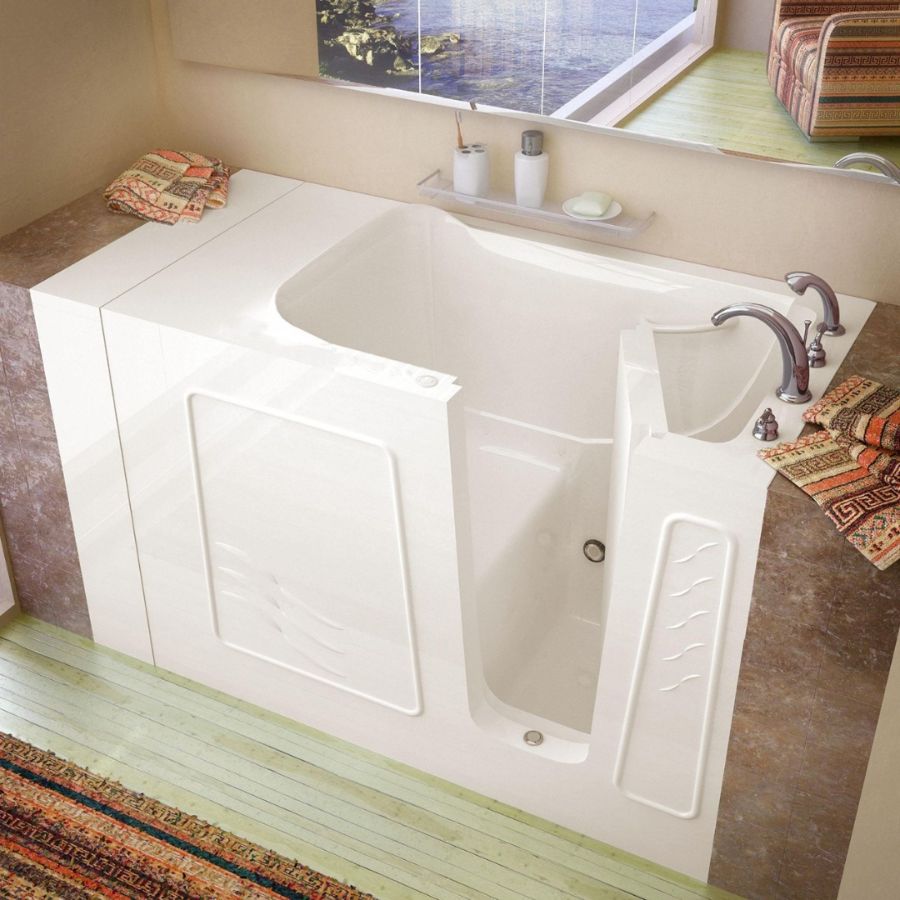
Walk-In Tub Installation: What to Expect From Start to Finish
What Does Walk-In Tub Installation Involve?
Walk-in tub installation usually involves removing your existing bathtub or shower, preparing the plumbing, handling any required electrical work, setting the new walk-in tub in place, sealing the surrounding area, and completing a final inspection. When the job is planned properly, the process is straightforward and designed to minimize disruption to your home.
For most homeowners, installing a walk-in tub is about more than replacing an old tub. It is about improving safety, comfort, and independence while making the bathroom easier to use over time. That is why many people want to know exactly what the installation process looks like before they move forward.
If you are considering a professional walk-in tub installation, it helps to understand the timeline, the steps involved, and what can affect the final result. A well-installed walk-in tub should feel secure, practical, and built to last.
How Long Does Walk-In Tub Installation Take?
Most walk-in tub installations take one to three days, depending on your bathroom layout, the condition of the existing plumbing, and whether you are installing a basic soaking tub or a walk-in tub with features like hydrotherapy jets, heated seating, or a quick-drain system.
In many homes, the tub itself can be installed in a single day. However, extra time is often needed for plumbing adjustments, electrical connections, wall repairs, waterproof sealing, and the curing time required before the tub can be used safely.
The goal is not to finish as fast as possible. The goal is to complete the walk-in tub installation correctly so the tub drains properly, seals tightly, and performs reliably for years.
Step 1: In-Home Assessment and Planning
Every successful walk-in tub installation starts with an in-home assessment. This is where the installer measures the existing tub space, checks the plumbing and drainage, reviews access into the bathroom, and identifies any structural or layout issues that could affect the installation.
This part of the process also focuses on your needs. The right walk-in tub should fit the bathroom, but it should also fit the person using it. That includes thinking through door swing, seat height, threshold height, hand shower options, and whether features like jets or therapeutic functions actually make sense for your daily routine.
Good planning prevents most installation problems before they start. It also helps determine whether the walk-in tub will fit in the footprint of your current bathtub or whether minor modifications will be needed.
Step 2: Preparing the Bathroom for Installation
Preparing for walk-in tub installation is usually simple for the homeowner. In most cases, you only need to remove personal items from the bathroom and make sure the work area is accessible.
The installer should coordinate the materials, delivery, and job sequencing ahead of time so the work feels organized rather than disruptive. If the bathroom will be unavailable during the installation, you should know that in advance and plan accordingly.
A professional walk-in tub installer should make the process clear from the beginning. Homeowners are often less concerned about the installation itself than they are about uncertainty, delays, or unexpected issues.
Step 3: Removing the Existing Bathtub or Shower
The next step is removing the old bathtub or shower. This includes disconnecting the plumbing, taking out the existing fixture, and preparing the space for the new walk-in tub.
During this stage, the surrounding floor and walls should be protected carefully. Once the old unit is removed, the installer can inspect the condition of the subfloor, plumbing lines, and wall surfaces to make sure the area is ready for the new tub.
This is also where hidden issues sometimes show up. Older plumbing, water damage, or an uneven floor can add time to the project. An experienced installer will catch those issues early and explain what needs to be corrected before moving forward.
Step 4: Installing and Connecting the Walk-In Tub
Once the area is ready, the walk-in tub is placed, leveled, and secured. Plumbing connections are completed, drainage is tested, and any electrical components are installed if the model includes powered features.
This is one of the most important parts of the entire walk-in tub installation process. A walk-in tub is not installed exactly like a standard bathtub. The door seal, drain system, tub stability, and overall fit all need to be handled with precision.
If you are installing a walk-in tub with jets, air massage features, or heated surfaces, those systems should also be tested fully before the project moves into the finishing stage. A properly installed tub should feel solid and dependable, not like a retrofit that was forced into place.
Step 5: Sealing, Waterproofing, and Finishing Work
After the tub is installed, the surrounding area is sealed and finished so the bathroom is fully protected from moisture. This may include wall repairs, trim adjustments, minor tile work, and waterproof sealing around the tub.
This stage matters more than many homeowners realize. A walk-in tub can be high quality, but if the sealing and finishing work are rushed, long-term problems can develop. That is one reason professional walk-in tub installation matters so much.
The finished result should look integrated with the bathroom, not temporary or pieced together. Once sealing is complete, a short drying and curing period is usually required before the tub is ready for use.
Step 6: Final Inspection and Walkthrough
Before the installation is complete, the installer should do a final inspection and walk you through how the tub works. This includes showing you how to operate the door, how the drain empties the tub, and how any added features function.
This is also the right time to ask practical questions about cleaning, maintenance, and how to get the best performance from the tub over time. There should be no confusion at the end of the project. Everything should be tested, explained clearly, and ready for daily use.
A proper walkthrough helps turn the installation from a construction project into a finished upgrade that feels usable right away.
Do Walk-In Tubs Require Plumbing or Electrical Work?
Most walk-in tubs require at least minor plumbing adjustments, especially if the home has older plumbing connections or the existing bathtub setup does not match the new tub exactly.
Electrical work is not always required, but it is common for models with hydrotherapy jets, air jets, heated seating, or built-in controls. If you are comparing options, this can also affect walk-in tub installation cost, since tubs with more features usually require more setup.
A qualified installer should handle these requirements safely and make sure the installation meets local code.
Will a Walk-In Tub Fit in My Existing Bathroom?
In many cases, yes. Many walk-in tubs are designed to fit into the footprint of a standard bathtub, which helps reduce the need for major remodeling.
That said, not every bathroom is the same. Door clearance, plumbing placement, wall layout, and floor support can all affect how easily the tub fits. Some homes need only a simple replacement, while others need minor modifications to make the installation work properly.
This is why an in-home evaluation matters. It answers one of the most common homeowner questions early: will a walk-in tub fit without turning the project into a full bathroom remodel?
What Can Affect Walk-In Tub Installation Cost?
Walk-in tub installation cost depends on more than the tub itself. The final cost can be affected by the bathroom layout, the age of the plumbing, whether electrical work is needed, the condition of the surrounding walls and floor, and the features included with the tub.
A simple installation in an existing bathtub space will usually be more straightforward than a project that requires repairs, layout changes, or a more advanced tub system. That is why the cost of installing a walk-in tub can vary from one home to another.
The most accurate pricing comes from an in-home assessment, where the installer can evaluate the space and identify any factors that could affect labor or materials.
Common Problems That Can Affect Installation
Most walk-in tub installations go smoothly, but there are a few issues that can complicate the process. Older homes may have outdated plumbing. Some bathrooms have tight access or limited clearance. In other cases, the floor may need leveling or support adjustments before the new tub can be secured properly.
Another concern is drainage performance. Because a walk-in tub must drain before the door can be opened, the drain system needs to work efficiently. Slow drainage, poor sealing, or improper leveling are examples of what can go wrong during installation when the work is not done by someone familiar with walk-in tubs.
That is why experience matters. Many of the most common walk-in tub problems are actually installation problems, not product problems.
Why Professional Walk-In Tub Installation Matters
Walk-in tubs are specialized products, and they should be installed by someone who understands how they differ from standard bathtubs. Proper door sealing, fast drainage, floor transitions, water containment, and structural stability all need to be handled correctly.
A contractor with limited experience may still be able to place the tub, but that does not mean the installation will perform well over time. Leaks, slow draining, uncomfortable entry height, or poor finishing work can all reduce the value of the upgrade.
Professional walk-in tub installation helps protect your investment and gives you a better chance of getting the comfort, accessibility, and long-term reliability you expected in the first place.
Frequently Asked Questions About Walk-In Tub Installation
Do I need to remodel my entire bathroom to install a walk-in tub?
No. In many cases, a walk-in tub can be installed in the same space as a standard bathtub, which helps avoid a full bathroom remodel.
Will my bathroom be unusable during walk-in tub installation?
Usually, yes. Most homeowners should expect temporary bathroom downtime while the old tub is removed, the new tub is installed, and the sealants cure.
Can I use a walk-in tub right after installation?
Not immediately. Most installations require a short curing period after sealing so the tub area is fully protected before use.
Do all walk-in tubs need electrical connections?
No. Basic soaking models may not need electrical work, but walk-in tubs with jets, heated seating, or powered controls usually do.
Is walk-in tub installation worth it?
For many homeowners, yes. If the goal is to make bathing safer, easier, and more comfortable while supporting aging in place, a properly installed walk-in tub can be a worthwhile long-term upgrade.
A Process Designed Around Safety, Comfort, and Long-Term Use
A good walk-in tub installation should feel organized from the first assessment to the final walkthrough. It should not feel rushed, confusing, or improvised. When the right tub is matched to the right space and installed carefully, the result is a bathroom upgrade that works quietly and reliably in everyday life.
That is what most homeowners are really looking for. They do not just want a new product. They want a safer bathing solution that fits their home, supports their routine, and holds up over time.
When a walk-in tub installation is done well, that is exactly what it delivers.

Jason James is Co-Founder and Director of Sales at Home Mobility Solutions, serving homeowners across the Hilton Head Island–Bluffton–Port Royal, SC Metro Area with walk-in tubs, stair lifts, home elevators, and other accessibility upgrades. He moved to the Lowcountry in 1993 and built a career in residential and commercial construction before founding Lowcountry Walk-In Tubs in 2009 to help seniors and people with disabilities bathe safely at home. That company grew into Home Mobility Solutions, where Jason now leads sales and client relationships across Bluffton, Hilton Head Island, Beaufort, Ridgeland, and Hardeeville.