
The Ultimate Guide to Walk-In Tubs: Safety, Comfort & Independence
Safety, Comfort, and Independence at Home
What Is a Walk In Tub?
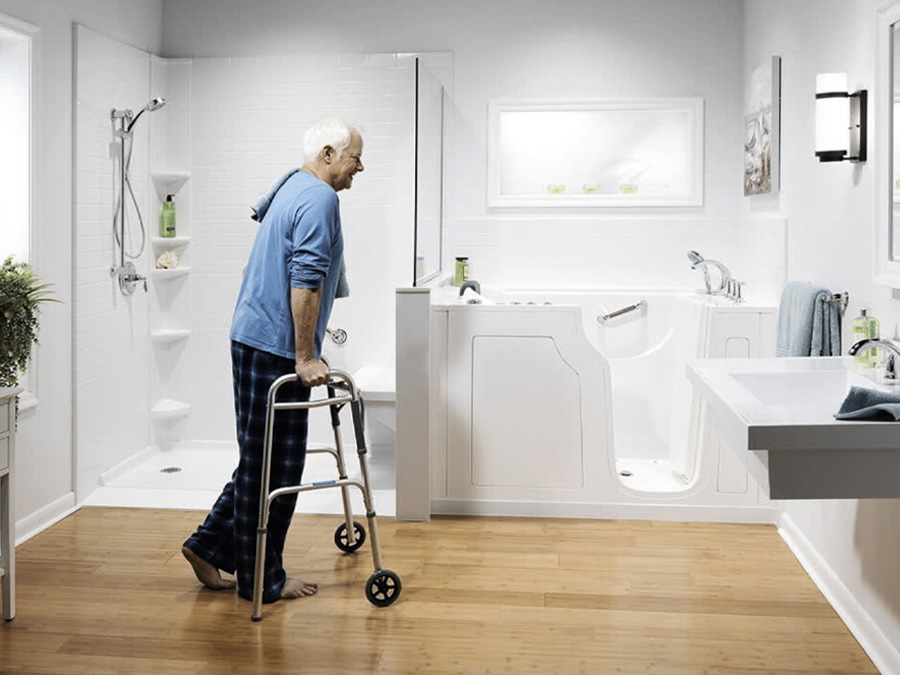
A walk in tub is a bathtub designed with a watertight door and built in seating, allowing users to step into the tub and bathe while seated instead of climbing over a high tub wall. Walk in tubs are designed to reduce fall risk, improve bathroom safety, and help homeowners continue bathing comfortably and independently in their own homes.
In short, a walk in tub allows homeowners to bathe more safely by removing the need to step over a high tub wall or lower themselves into a deep basin.
Bathing is one of the most personal daily routines. It is also one of the most physically demanding, especially as balance, strength, and mobility change over time. Traditional bathtubs were never designed for long term use. High tub walls, slippery surfaces, and the need to lower and lift your body create unnecessary risk.
A walk in tub does not change the act of bathing. It changes how safely it happens.
For more than a decade, we have helped homeowners across Bluffton and Hilton Head plan for aging in place by making thoughtful, practical bathroom upgrades. This guide explains how walk in tubs work, why they are chosen, and what to expect if you are considering one for your home.
Why Walk In Tubs Matter More Than Most People Realize
Most homeowners do not start researching walk in tubs because they want one. They start because something changed.
A moment of hesitation stepping into the tub.
A slip that did not turn into a fall.
A growing awareness that bathing now requires planning instead of ease.
Those moments add up.
The bathroom is consistently one of the most common locations for household falls among older adults. Wet surfaces, tight spaces, and required balance make everyday movements less forgiving. What catches people off guard is how gradually confidence fades. People may still be capable of bathing, but no longer feel safe doing it.
Walk in tubs address that problem at its source by removing the most dangerous movements from bathing entirely.
Unlike a standard bathtub, a walk in tub is entered at floor level and used from a seated position, which significantly reduces balance related risk.
How Walk In Tubs Improve Bathroom Safety
Traditional bathtubs require a sequence of movements that become riskier with age. Stepping over a tall wall while standing on one foot. Lowering into a deep basin. Standing back up on wet surfaces.
Walk in tubs replace those movements with simpler, controlled actions.
You step in through a low threshold door.
You sit on a built in seat at chair height.
You bathe from a stable, supported position.
Additional safety features support this design. Slip resistant flooring improves traction. Integrated grab bars provide stable points of contact where they are actually needed. The door seals securely so water stays inside the tub.
The result is not just fewer falls. It is restored confidence.
Why a Walk In Tub Shower Combo Is Often the Best Choice
Many homeowners assume they must choose between a tub or a shower. In reality, a walk in tub shower combo offers both.
A walk in tub shower combo allows you to shower daily using a handheld or overhead showerhead, bathe seated without standing or balancing, share the bathroom comfortably in multi generational households, and avoid a full bathroom remodel or adding separate fixtures.
For most people, showering happens more often than bathing. A tub shower combo ensures you do not lose that routine. You can stand or sit while showering, and the tub drains continuously like a standard shower.
This flexibility is why tub shower combos are one of the most popular configurations we install, especially in homes with limited bathroom space or shared use.
Who Should Consider a Walk In Tub
Walk in tubs are not just for one type of homeowner.
They are commonly chosen by homeowners planning to age in place, people with balance concerns or joint pain, individuals recovering from surgery or injury, anyone who wants to reduce fall risk proactively, and families looking to support independence without daily assistance.
Walk in tubs are not the right solution for everyone. Homeowners who only want large open standing showers or who never bathe may prefer other accessibility upgrades. The right choice depends on how you actually use your bathroom.
Considering a walk in tub is not a sign of decline. It is a sign of foresight.
Choosing the Right Walk In Tub Installer Matters
A walk in tub is only as good as its installation.
Proper door sealing, drainage speed, plumbing connections, and floor transitions all determine how well the tub performs over time. Poor installation can lead to leaks, slow draining, or long term frustration, even with a quality product.
Since 2012, we have served Bluffton and Hilton Head homeowners installing walk in tubs designed to support long term living at home. We began as Lowcountry Walk In Tubs before expanding into Home Mobility Solutions to provide a broader range of aging in place solutions.
When choosing an installer, look for specific experience with walk in tubs rather than general remodeling, proper licensing and insurance, a clear explanation of the installation and testing process, and local references from real installations.
The installer matters as much as the tub itself.
Walk In Tub Installation What to Expect
Walk in tub installation is more straightforward than many homeowners expect when planned properly.
The process typically includes removing the existing tub or shower, preparing plumbing and any required electrical connections, placing and securing the walk in tub, sealing and waterproofing the surrounding area, and final testing and walkthrough.
While the tub is often placed in a single day, additional time is allowed for sealing and curing to ensure long term performance. The goal is reliability, not speed.
Common Questions About Walk In Tubs
Do I have to sit in the tub while it fills
Only when bathing. When showering, the tub drains continuously like a standard shower.
Are walk in tubs comfortable
Yes. Built in seating is designed at chair height, reducing strain on knees, hips, and back.
Do walk in tubs leak
When properly installed and maintained, walk in tubs are designed to seal securely and remain watertight.
Can I shower in a walk in tub
Yes. Most modern walk in tubs are designed for showering as well as bathing.
Are walk in tubs worth the investment
For homeowners planning to stay in their homes long term, walk in tubs often cost far less than moving, assisted living, or recovering from a serious fall.
Aging in Place Is About Planning Ahead
Most homeowners who install walk in tubs do not regret the decision. What they regret is waiting until the decision felt urgent.
Planning ahead allows you to choose the right solution calmly, design it properly, and integrate it seamlessly into your home. Reactive decisions often cost more and disrupt daily life unnecessarily.
A walk in tub is not about changing how you live. It is about protecting the life you already have.
A Home That Continues to Work for You
Aging in place should be a certainty, not a concern.
Walk in tubs support safety, comfort, and independence without sacrificing dignity or routine. When paired with thoughtful installation and planning, they allow homeowners to continue living confidently in the homes they love.
For homeowners in Bluffton and Hilton Head looking to understand walk in tub options and installation in more detail, Home Mobility Solutions remains a trusted local resource for planning and installing solutions that last.
Life today deserves certainty tomorrow.